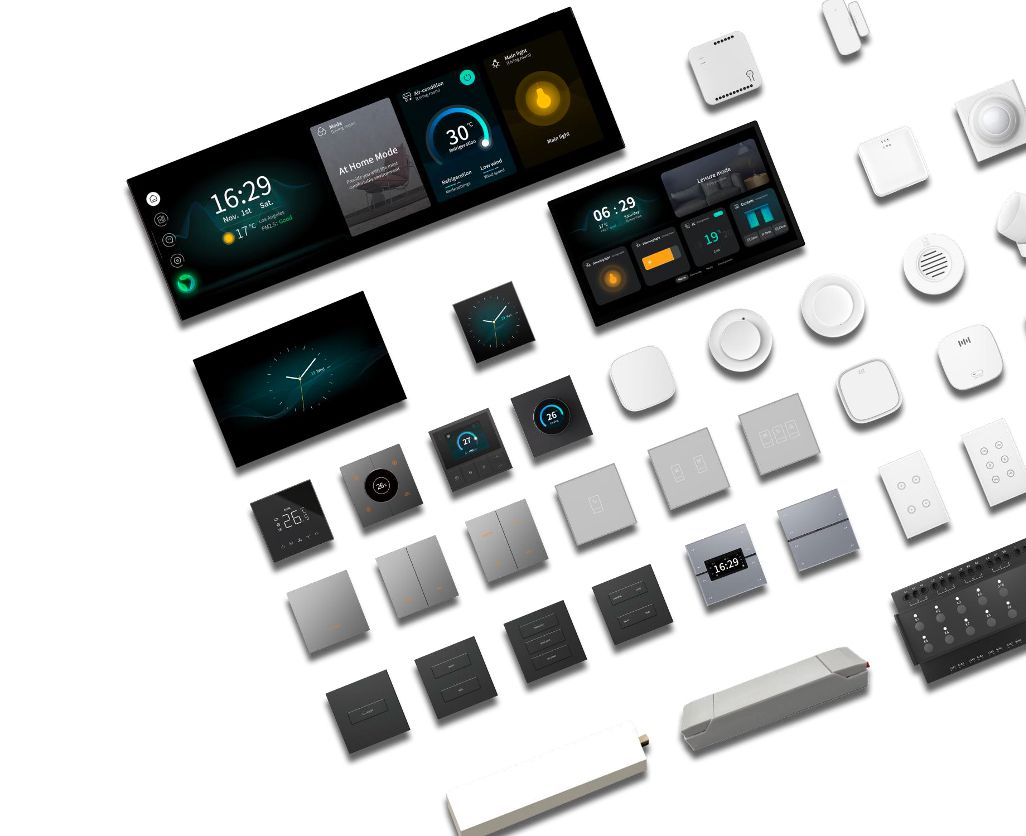
A home that responds to your lifestyle no longer feels futuristic. Today, smart home automation has become one of the most desirable additions in modern residential spaces. Buyers are no longer impressed by square footage alone. They now look for comfort, intelligent control, energy efficiency, and a living environment that adapts to daily routines with ease.
From lighting scenes that change with the time of day to climate systems managed from a smartphone, smart technology quietly reshapes how people experience their homes. More importantly, it also influences how properties are perceived in the real estate market.
The Shift in Homebuyer Expectations
Residential preferences have evolved rapidly over the last few years. Homeowners want spaces that reduce effort while improving convenience. This is where smart home automation creates a noticeable difference.
A property equipped with automated lighting, smart locks, voice controlled systems, and remote monitoring instantly feels more current and refined. Buyers often associate these features with thoughtful living and long term practicality. As a result, homes with integrated smart systems tend to stand out in competitive property markets.
Instead of viewing automation as an optional luxury, many buyers now consider it part of a modern living standard.
Enhanced Security Increases Property Appeal
Security remains one of the strongest selling points for automated homes. Smart surveillance cameras, motion sensors, video doorbells, and remote access controls offer homeowners greater confidence, even when they are away.
A connected security setup allows residents to receive real time alerts and monitor their property through mobile devices. This level of accessibility creates reassurance that traditional systems often cannot provide.
For potential buyers, a residence with advanced security integration carries additional appeal because it combines protection with convenience.
Energy Efficiency Creates Long-Term Savings
One of the most practical advantages of smart home automation lies in energy management. Automated thermostats, occupancy-based lighting, and intelligent appliance control help reduce unnecessary energy use.
Rather than relying on manual adjustments, homeowners can schedule systems to operate only when required. This leads to lower utility expenses and more mindful energy consumption over time.
Properties that demonstrate energy-conscious functionality often attract buyers looking for lower operational costs and environmentally aware living solutions.
Everyday Comfort Shapes Buyer Impressions
People remember how a home makes them feel. Automated environments create smoother daily experiences that leave lasting impressions during property visits.
Imagine walking into a home where curtains adjust automatically, ambient lighting responds to activity, and entertainment systems activate with a single command. These subtle details contribute to a sense of sophistication without appearing excessive.
Comfort-driven automation transforms ordinary routines into effortless interactions, making the property feel more valuable on an emotional level as well as a financial one.
Future Ready Homes Hold Greater Market Relevance
Technology continues to influence residential architecture and interior planning. Homes prepared for evolving digital lifestyles are likely to maintain stronger market relevance over time.
Buyers often prefer properties that already include adaptable infrastructure instead of planning costly upgrades later. Integrated smart systems signal that a home has been designed with future living standards in mind.
This future readiness can contribute to stronger resale potential and wider buyer interest.
A Smarter Investment for Modern Living
Residential value is no longer shaped only by location and design. Lifestyle functionality now plays a major role in how homes are evaluated. Smart home automation introduces comfort, efficiency, security, and adaptability in ways that genuinely improve daily living.
As expectations around intelligent living continue to grow, automated homes are becoming more than technologically advanced spaces. They are evolving into properties that better align with how people want to live today and tomorrow.
Frequently Asked Questions
-
How does smart home automation improve property value?
Smart home automation improves property value by adding convenience, energy efficiency, and modern functionality. Buyers often perceive automated homes as more advanced and practical, which can increase market demand and strengthen resale potential.
-
Which smart home features are most attractive to buyers?
Security systems, smart lighting, climate control, automated locks, and voice-activated assistants are among the most attractive features. These additions create convenience while improving safety, comfort, and overall residential appeal for modern homeowners.
-
Can smart home automation help reduce electricity costs?
Yes, automated systems can lower electricity usage by controlling lighting, air conditioning, and appliances based on occupancy or schedules. This minimizes unnecessary energy consumption and helps homeowners manage utility expenses more efficiently over time.
-
Is smart home automation suitable for older residential properties?
Older homes can also benefit from smart upgrades. Many wireless automation systems integrate easily without major structural modifications, allowing homeowners to modernize comfort, security, and functionality while preserving the property’s original character.
-
Why do future buyers prefer automated homes?
Future buyers appreciate automated homes because they offer connected living experiences, better energy management, and advanced security features. These homes align with changing lifestyle expectations and reduce the need for expensive technological upgrades later.